




A major recent shift has been the imposition of human premeditation and devising upon the realm of dreams. People thinking they are doing the humanities when they are rather playing with a computerization antithetical to most human forms of wisdom can now plot as well as perceive the dreams of others. The type of thinking at the helm of such projects, since it identifies and defines, precludes what dreams once were as the realm of the unidentified and undefined.
A core question is about the fear of the right-brained form of wisdom by the left-brain. This has played out in the centuries via phenomena as varied as Nazi science, the medical study of Pablo Picasso in a glass cell by scientists who were bothered they could not understand him, and the extermination of right-brained thinkers from the earth. Science very recently backpedaled slightly upon seeing a scientific infographic of the darkness of computerization devouring the brightest auras on the planet.
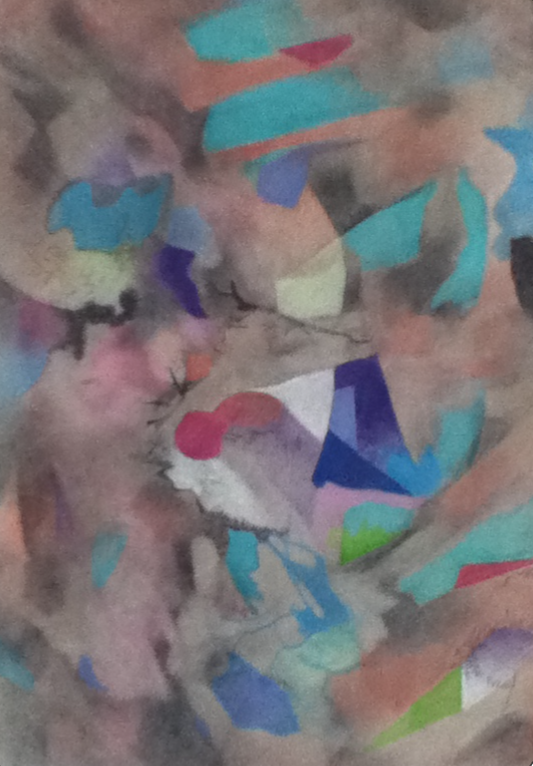
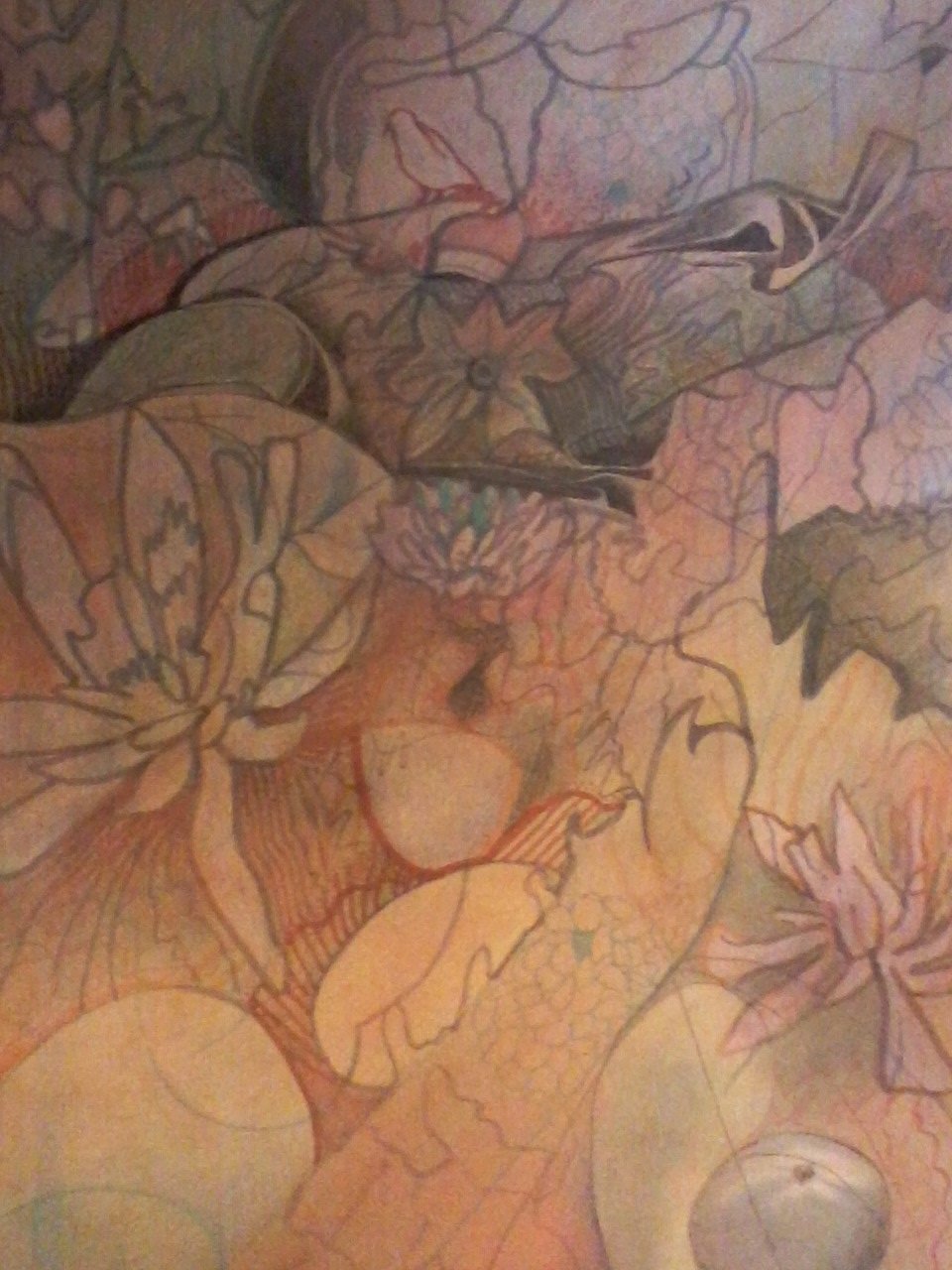
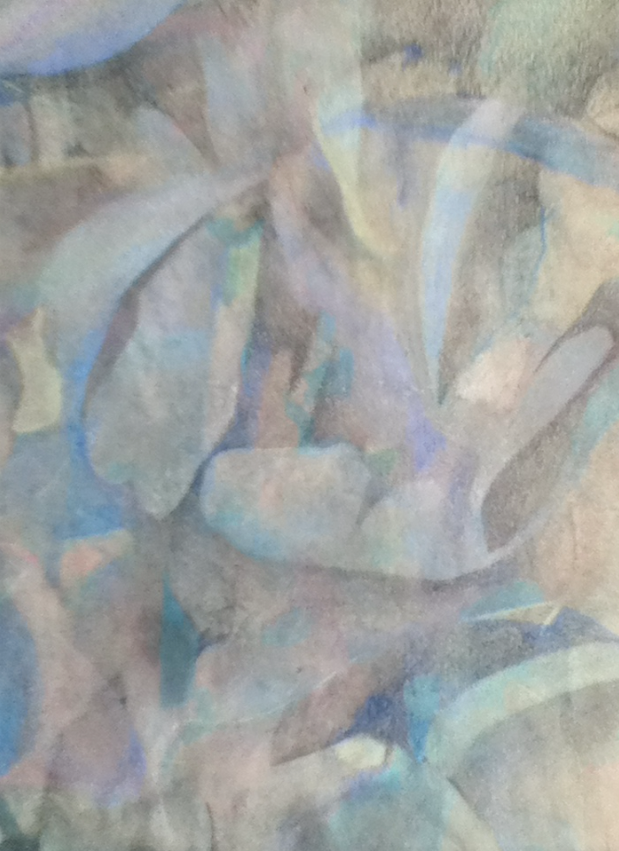
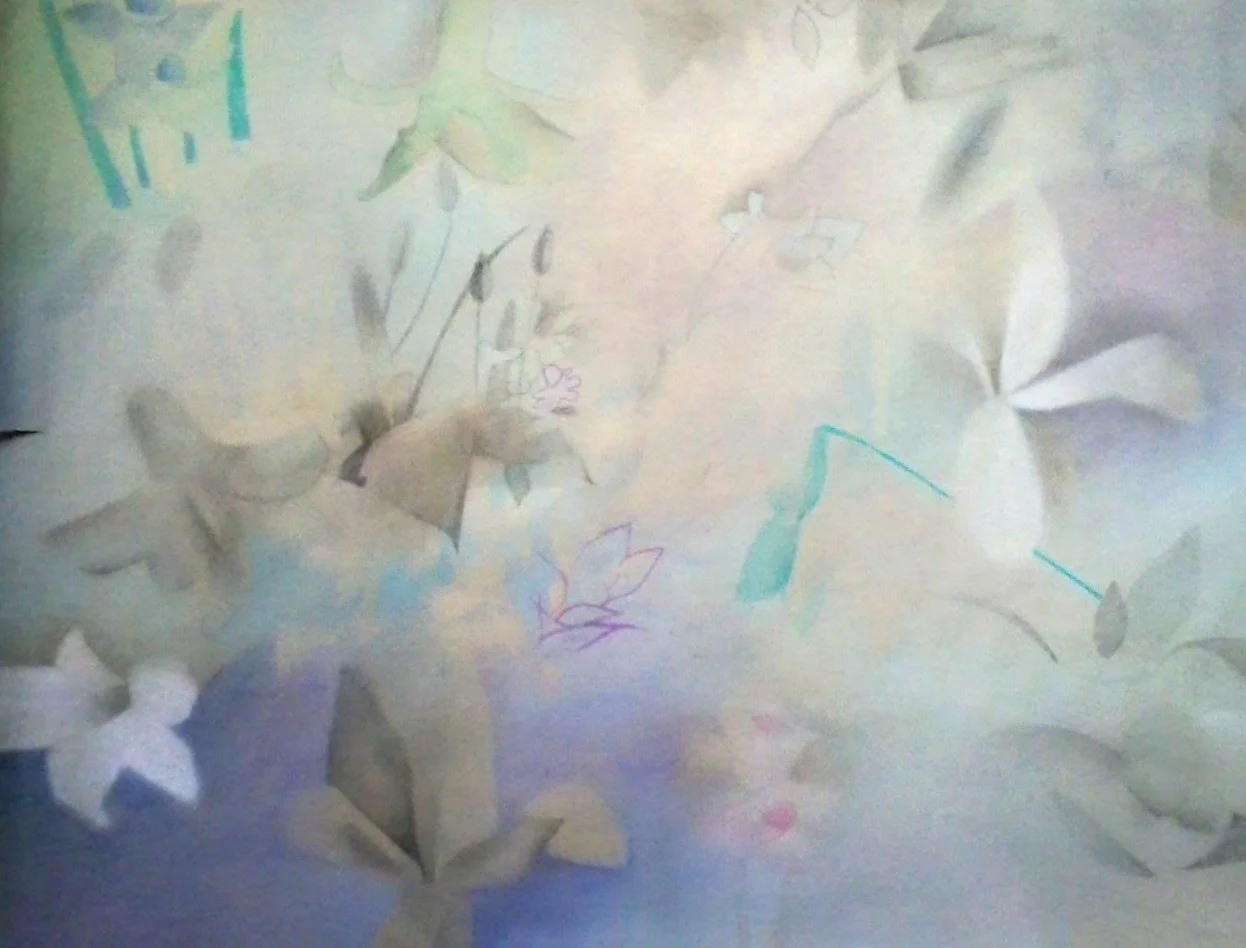
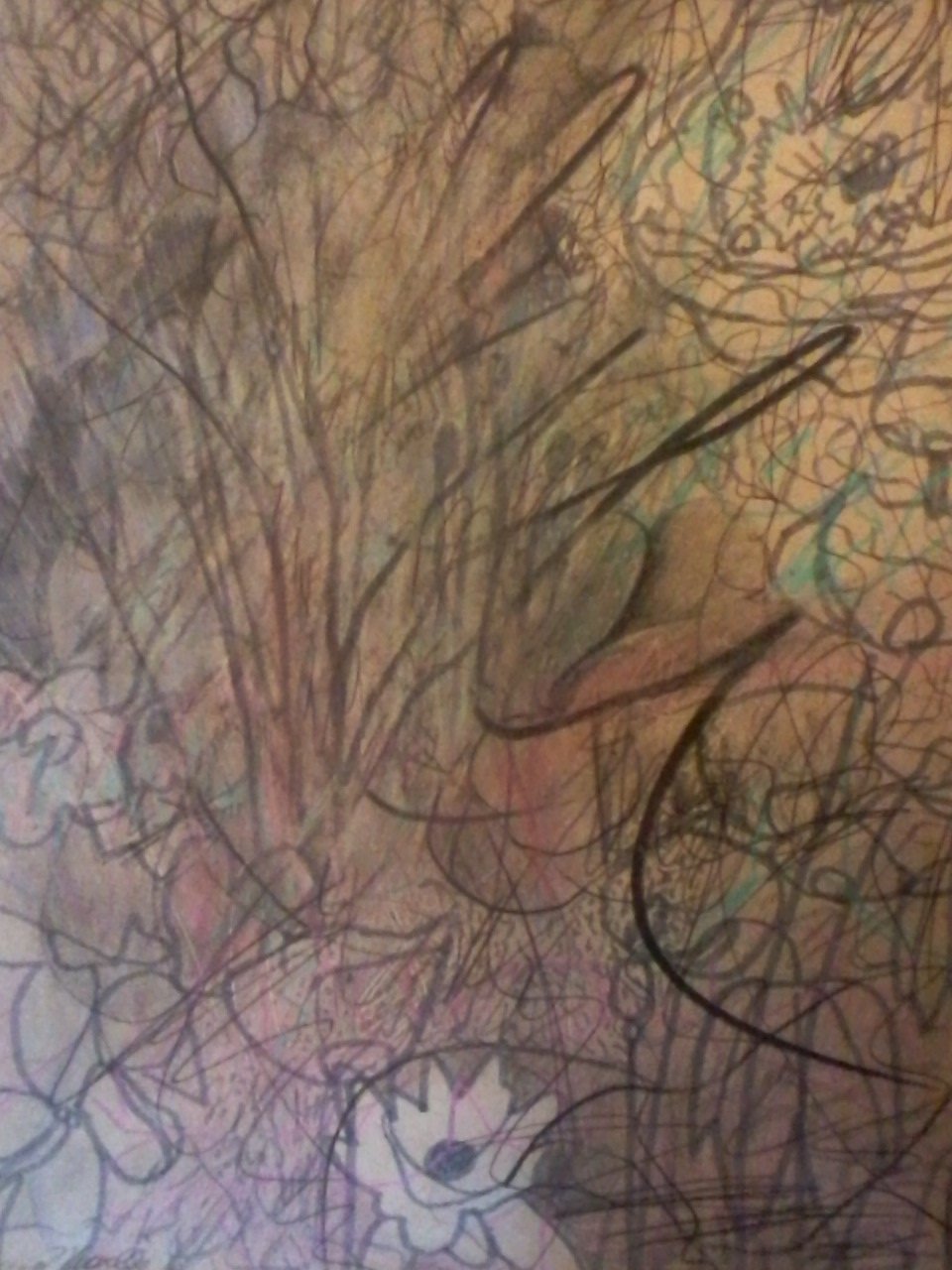
What is the left brain afraid of? Computers don’t like surprises. The formlessness that emerged in art in the 20th century was so castigated by rigid society the artists were called degenerates. In the Toltec tradition, rather, both the first attention – similar to left-brainedness – and the second attention – similar to right-brainedness, are requisites of the wisest. I exercise the latter, second attention, in my formless abstract art. My paintings and drawings should ignite the right-brained, feeling, second attention capacities inherent to people whether they are left-brained dominant or not, because as humans we are all innately both thinking and feeling, but centering their “rational” awareness, if it can be called awareness, in the frontal cortex many people often cannot respond anymore to the experiences abstract art elicits. Access to forms of intellect we cannot do without has been diminished.